


 Last Updated: July 23, 2026
7 min read

 Last Updated: July 23, 2026
7 min read
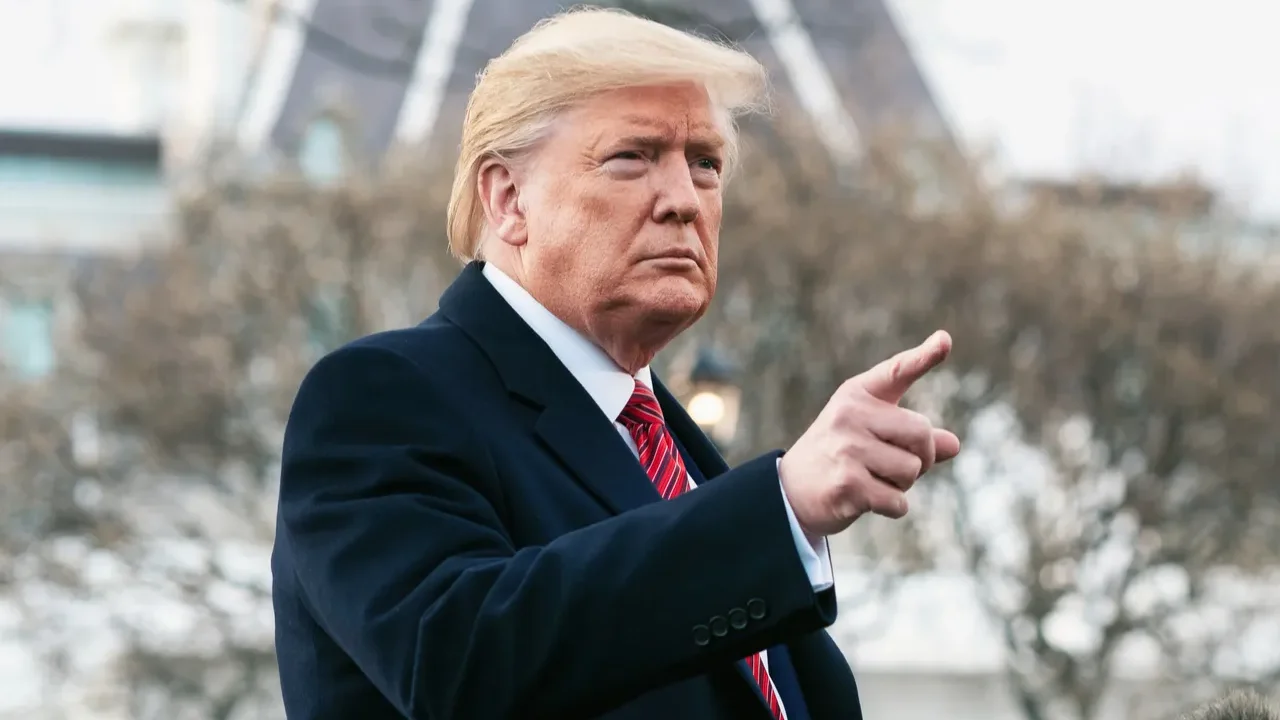
President Trump promised a short, decisive war against Iran earlier this year. Instead, the conflict has stretched past twenty weeks with no clear finish line in sight.
The Strait of Hormuz remains a constant flashpoint, oil prices keep climbing, and messaging from the White House keeps shifting week to week. Supporters call it tough leadership under pressure. Critics say he is boxed in by choices he made himself. Here is what is actually happening on the ground.
The Iran war began in late February with joint strikes carried out by the United States and Israel. Officials promised a fast and clean outcome for American forces. Months later, fighting continues, and a ceasefire signed back in June has already collapsed twice under renewed pressure.
Both governments keep trading blame for the breakdown, and neither one shows any real sign of stepping back. The renewed fighting caught many observers off guard this month. A memorandum of understanding was supposed to reopen shipping lanes for good and formally end hostilities between the two nations.
Within a matter of weeks, it fell apart completely, and Washington notified Congress that a fresh round of combat had officially begun, restarting the legal clock on presidential war powers authority.
At the center of this fight sits the Strait of Hormuz, a narrow passage that once carried roughly a 5th of the world’s oil supply. Iran has repeatedly closed or threatened to close the strait since fighting began, using it as its single strongest card against a much larger and better-funded military power across the globe. Global energy markets closely watch every move there.
Trump has tried blockades, targeted strikes, and repeated public declarations that the strait is fully open for business. None of these moves has fully restored normal shipping traffic through the waterway. A recent proposal to charge a 20% toll on all passing cargo was reversed within a single day, according to recent reporting.

Analysts across the political spectrum broadly agree that Iran has found a genuinely effective weapon in this standoff. Foreign policy scholar Andrew Gawthorpe wrote that Trump has backed himself into a corner with no clear escape route. A lasting blockade would require an open-ended military commitment that the country cannot easily sustain long-term, as reported by The Conversation.
A senior adviser to Iran’s leadership recently called the country’s control of the strait more valuable than dozens of nuclear weapons combined. That striking comparison helps explain why Tehran keeps returning to the same basic tactic again and again. Small drone and missile strikes remain cheap for Iran to carry out, yet they prove costly for everyone who depends on the waterway.
The war is no longer simply a distant foreign policy story. Gas prices have climbed well above $4 a gallon across many states this summer. The ripple effects reach far beyond the pump, too, since fertilizer, shipping rates, and everyday consumer goods all depend heavily on stable oil markets that this ongoing conflict keeps repeatedly disrupting for American families and businesses alike.
The nation’s Strategic Petroleum Reserve has also been drawn down sharply in recent months. A newsletter report, Everything Is Connected, notes that the reserve now sits near its lowest level since 1983. That leaves Washington with far less cushion to soften future price shocks if this drawn-out conflict continues for many more difficult months ahead.
Fun fact: The Strait of Hormuz is only about 21 miles (33 km) wide at its narrowest point.
Trump’s public statements have shifted often throughout this crisis, sometimes within the very same week. He has called the Strait open, closed, and fully under American control almost simultaneously. He has also predicted an imminent Iranian surrender more than once, only to reverse course again each time the fragile ceasefire eventually fell apart under fresh strain from both weary nations.
That familiar pattern showed up again just this month. Trump announced that the United States would become the Strait’s official guardian and collect a hefty toll from shippers, then dropped the same toll plan barely a day later after several foreign leaders loudly objected.
The sudden reversal fed growing criticism that policy is being made on the fly rather than through careful planning.

Congress has pushed back against the renewed fighting from both sides of the aisle, though efforts to formally limit the war have repeatedly stalled. Senate Republicans have blocked multiple War Powers Act resolutions aimed at limiting the president’s ability to continue this war without an actual vote.
Senator Adam Schiff argued publicly that the administration has no real legal basis to claim a fresh 60-day window for action. Senate leader Chuck Schumer has criticized Trump’s approach to the war as a “recipe for utter disaster.”
Even some Republicans have quietly raised concerns about the toll plan and its effect on already rising prices. This rare bipartisan unease shows just how deeply unpopular the extended conflict has become across the entire political map this long, difficult summer season.
Vice President JD Vance has offered the administration’s clearest public defense so far. In an interview on Joe Rogan’s podcast, he described an internal debate between Iranian hardliners and more pragmatic officials, and said Washington keeps trying to talk with those genuinely open to a deal while still responding firmly to violence whenever it occurs.
Vance pushed back firmly against critics who claim negotiation simply cannot work here at all. He asked what realistic alternative exists for stopping attacks on ships beyond bombing runs that still cannot fully secure such a narrow waterway. That framing suggests officials genuinely view the current approach as the least damaging option currently available to them.
Trump now faces a narrowing set of choices as this conflict drags on. Continuing the blockade strains already stretched military resources and keeps consumer prices elevated for months. Ending it risks looking like an outright retreat after months of confident promises. Congress may try to force another vote soon, though enough support to override a presidential veto remains genuinely uncertain right now.
Analysts, including Aaron David Miller of the Carnegie Endowment, describe the president as reduced to picking whichever option feels least unpalatable at the present moment.
Whatever path Trump ultimately chooses next, this prolonged Strait crisis has already reshaped how both Washington and Tehran calculate power and leverage across the wider Gulf region for years to come.
Little-known fact: Hormuz is named after the nearby Island of Hormuz, once a major medieval trading hub.

If you liked this story, don’t forget to follow us for more exclusive content.
This article was made with AI assistance and human editing.
If you liked this, you might also like:



We appreciate you taking the time to share your feedback about this page with us.
Whether it's praise for something good, or ideas to improve something that
isn't quite right, we're excited to hear from you.


Lucky you! This thread is empty,
which means you've got dibs on the first comment.
Go for it!