


 Last Updated: August 18, 2026
7 min read

 Last Updated: August 18, 2026
7 min read
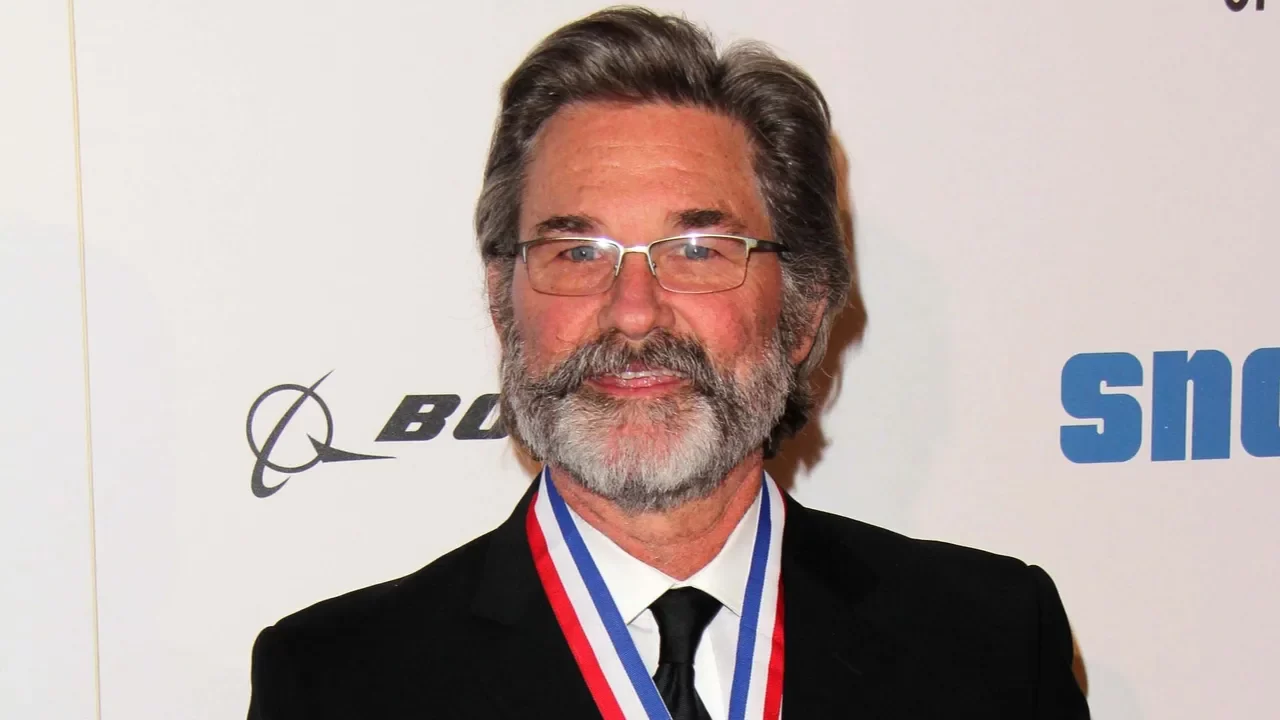
Tombstone came out in 1993, and it still holds a special place in Western movie history. Kurt Russell led the film as Wyatt Earp, a lawman who wanted a quiet life. Val Kilmer often gets the credit for the best lines in the movie.
But one moment from Russell delivers a punch that few westerns have matched. His fierce shout near the film’s climax has stayed with fans for decades. This article looks at why that single line still stands out today.
Wyatt Earp arrives in Tombstone hoping to leave his gunslinging days behind. He wants to settle down and build a peaceful life with his family. Russell plays this quiet ambition with calm confidence from his very first scene.
In one early moment, Earp sees a man mistreating a horse in the street. He walks over, no anger on his face, and takes control instantly. He tells the man to let go of the horse and end the abuse.
This small act shows who Earp is before any gunfight happens. He values fairness and refuses to look away from cruelty. It also hints at how he will handle much bigger threats later on.
The horse-whipping sequence is an early introduction to Wyatt Earp, rather than the opening scene of Tombstone. When Wyatt sees a rider mistreating a horse, he intervenes, takes control of the whip, and confronts the man responsible.
The moment establishes the film’s version of Wyatt as controlled but willing to act when he believes someone has crossed a line. That restraint contrasts with the greater violence that follows as the Earps become increasingly entangled with the Cowboys.
Giving Wyatt a relatively contained confrontation early in the story also strengthens the impact of his later anger. Russell spends much of the film playing him as reluctant to return to violent conflict before events finally push him toward revenge.
Later in the film, Wyatt Earp reaches a devastating turning point after the Cowboys badly wound Virgil and murder Morgan. His effort to step away from violence collapses as the feud becomes deeply personal.
At the Tucson train station, Wyatt delivers a furious warning to Ike Clanton, telling him to relay to the Cowboys that he is coming for them. The moment combines Wyatt’s grief over Morgan with anger over the attacks on his family.
The buildup gives the outburst much of its force. The film has spent much of its running time showing Wyatt resisting a return to law enforcement and violent conflict, so his decision to pursue the Cowboys marks a clear shift into the story’s revenge phase.

Val Kilmer’s Doc Holliday delivers some of the most quoted lines in the film. His witty remarks and sharp humor make him a fan favorite character. Many viewers can recite his lines without even trying hard.
Holliday challenges enemies with confidence and dark humor throughout the movie. His charm often distracts from the quieter power of Russell’s performance. Critics and fans alike tend to focus on Holliday first.
Still, Holliday’s brilliance does not erase what Russell brings to the film. Wyatt Earp carries the emotional weight that Holliday’s humor cannot replace. The two performances actually work best when viewed side by side.
Tombstone dramatizes real events from southeastern Arizona in the early 1880s, including the 1881 Gunfight at the O.K. Corral and the violence that followed Morgan Earp’s murder. The film turns those events into a streamlined conflict involving the Earps, Doc Holliday, and the Cowboys.
Some of the movie’s period details and expressions draw on historical accounts, but Tombstone also takes major creative liberties. The film amplifies Wyatt Earp’s revenge campaign, and its climactic duel between Doc Holliday and Johnny Ringo is fictional. Ringo’s death was officially ruled a suicide.
That mix of historical detail and dramatic license gives the film its distinctive version of the Earp legend, but its story should not be treated as a literal record of what happened.
Fun fact: Kurt Russell secretly directed much of Tombstone, though George P. Cosmatos got the official credit.
Russell plays Wyatt Earp with a mix of restraint and sudden intensity, moving from a retired lawman hoping to build a new life to a man consumed by the violent conflict surrounding his family. His performance gives the sprawling ensemble story a clear central figure.
Russell has continued to discuss Tombstone decades after its release. In 2026, he said he believed the finished film did not fully live up to Kevin Jarre’s screenplay and that production problems, including financial and directorial difficulties, forced the filmmakers to change their approach.
Despite those frustrations, Russell also acknowledged that Tombstone has had a strong impact. Contemporary reporting similarly described his performance as one of the elements that anchored the movie through its difficult production.

The Western had fallen out of mainstream favor during much of the 1980s, but a revival was already underway by the time Tombstone arrived in 1993. Dances with Wolves became a major critical and commercial success after its 1990 release, while Unforgiven, released in 1992, won Best Picture at the 1993 Academy Awards.
Tombstone entered that renewed market with a faster, more crowd-pleasing approach to the genre. Despite a troubled production and limited initial studio support, contemporary reporting described it as a surprise box-office success that quickly developed a devoted following.
Russell’s Wyatt Earp gives the film a steady dramatic center, while Kilmer’s Doc Holliday supplies much of its humor and flamboyance. Together, those performances helped give Tombstone an identity that has remained popular for more than 3 decades after its release.
Many great Western quotes come from witty or clever dialogue. Russell’s line works differently because it comes from raw emotion. It feels less like a script and more like a real reaction.
That authenticity is why fans still bring it up decades later. It captures a shift from patience to unstoppable determination in seconds. Few Western lines manage to carry that much weight so quickly.
Tombstone remains a touchstone for the genre because of moments like this. Russell’s performance proves that quiet characters can leave the loudest impact. His line continues to represent one of the greatest scenes in Western movie history.
Little-known fact: Kurt Russell acted alongside Elvis Presley as a child before later voicing Elvis himself.
If you liked this story, don’t forget to follow us for more exclusive content.
This article was made with AI assistance and human editing.
If you liked this, you might also like:

Lover of hiking, biking, horror movies, cats and camping. Writer at Wide Open Country, Holler and Nashville Gab.



We appreciate you taking the time to share your feedback about this page with us.
Whether it's praise for something good, or ideas to improve something that
isn't quite right, we're excited to hear from you.


Lucky you! This thread is empty,
which means you've got dibs on the first comment.
Go for it!