


 Last Updated: October 5, 2026
6 min read

 Last Updated: October 5, 2026
6 min read
Politics often runs on hope as much as policy. People want leaders who can fix what feels broken. A recent podcast chat brought that idea back into the spotlight.
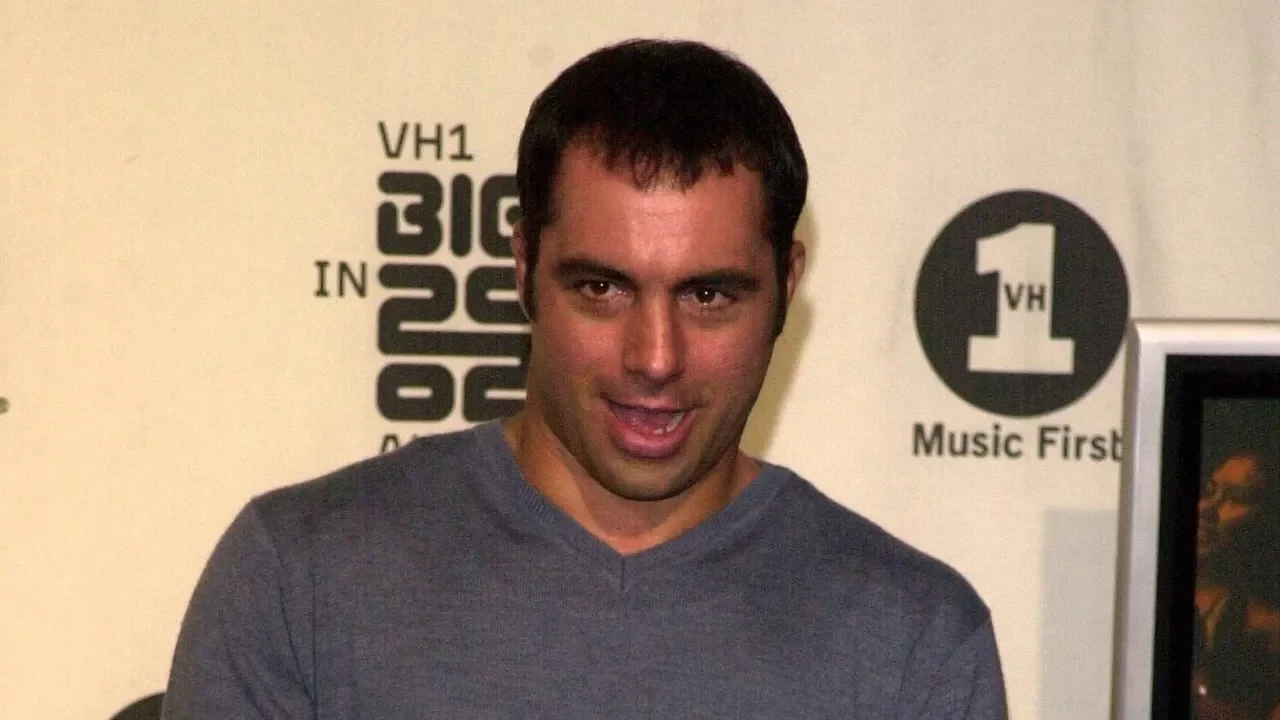
Joe Rogan spoke about how many voters see President Donald Trump. His comments drew coverage from multiple outlets within a day. This article looks at the bigger question behind the headlines.
Rogan made the comments during a September 16 episode of his show while speaking with comedian Ron White. The discussion turned to the backlash against Trump supporters over Jelly Roll’s comments. Coverage began within hours.
The pair had been discussing the MAGA backlash against country singer Jelly Roll. He had joked about Trump while guest-hosting “Jimmy Kimmel Live!” in August. Some Trump supporters responded by criticizing or boycotting Jelly Roll.
Rogan defended Jelly Roll and criticized some Trump supporters’ reaction to the singer’s comments. He then expanded the discussion to broader ideas about political leadership and public expectations of leaders.
Rogan said Trump represents something more than a person to many fans. He described the president as a leader they wish they had. He described that kind of devotion as a broader problem in how society views political leaders.
He said people often view a leader as unlike anyone who came before. The thought is that this person will finally save everyone. That idea was central to Rogan’s criticism of political devotion.
White linked the mood to economic desperation. He suggested people short on education or opportunity follow whoever offers hope. Rogan’s use of blunt language was highlighted in several reports.
The idea of a political rescuer has appeared in different historical periods. Leaders have sometimes gained strong personal followings during periods of political or economic uncertainty. Political scientists have studied how these relationships can shape public support.
A leader can present complex problems through a simple message or a clear promise of action. That can make individual leadership a major part of political movements. Max Weber described one form of this relationship as charismatic authority.
The concept is not limited to one political party or country. Weber’s framework focuses on the relationship between leaders and followers rather than a specific ideology. It can therefore be used to examine different political movements and leaders.

Sociologist Max Weber studied this form of authority more than a century ago. He called it charismatic authority. It is based on followers’ belief in a leader’s exceptional qualities.
Weber distinguished charismatic authority from traditional and legal forms of authority. Followers recognize the leader as exceptional rather than accepting authority mainly because of established customs or formal rules. The relationship depends on continued recognition from followers.
Britannica notes that the concept can apply to influential political leaders. Charismatic authority focuses on the relationship between a leader and followers. It is based on the followers’ recognition of the leader’s exceptional status.
Weber saw charisma as a relationship between the leader and the followers. It is not only a personal trait. Followers must keep granting the leader that special status.
Weber noted that the leader’s authority weakens if followers stop believing. Belief has to be renewed again and again. That makes the bond both strong and fragile.
Modern media can quickly spread a political leader’s messages to large audiences. A rally clip or podcast segment can reach a large audience within hours. Supporters and critics can respond to the same remarks across different platforms.
Fun fact: Joe Rogan hosted the U.S. version of Fear Factor on NBC from 2001 to 2006 after starting his television career on the 1994 Fox sitcom “Hardball“.
Rogan had spoken favorably of Trump and interviewed him before the 2024 election. In the same September 16 episode, he said he has been left-wing his whole life and described himself as politically homeless.
He also said people label him right-wing because of his appearance. Earlier in 2026, Rogan criticized Trump over the Iran war, saying Trump had betrayed Americans who supported him because of his earlier opposition to new wars.
In April, Rogan also joined Trump at the White House as Trump signed an executive order accelerating research into psychedelic-based therapies.

White tied the discussion to money worries and limited opportunities. He suggested that people facing fewer opportunities may be drawn to leaders who offer hope.
White also shared a joke about Trump’s style. Someone asked whether the president plays checkers or chess, and White answered that Trump plays golf.
The exchange added a lighter moment to the discussion about Trump and his supporters. Rogan and White then continued discussing the way people view political leaders.
Rogan’s comments reflect his own view of Trump and his supporters. His remarks can be considered separately from Max Weber’s theory of charismatic authority.
Weber’s concept focuses on the relationship between a leader and followers. It distinguishes personal devotion from authority based on established customs or formal laws. The framework can be applied to political leaders in different systems.
Weber also distinguished legal authority from authority based on personal qualities. Under legal authority, institutions and offices continue even when individual officeholders change. That distinction separates institutional authority from personal loyalty to a leader.
If you liked this story, don’t forget to follow us for more exclusive content.
This article was made with AI assistance and human editing.
If you liked this, you might also like:

Lover of hiking, biking, horror movies, cats and camping. Writer at Wide Open Country, Holler and Nashville Gab.



We appreciate you taking the time to share your feedback about this page with us.
Whether it's praise for something good, or ideas to improve something that
isn't quite right, we're excited to hear from you.


Lucky you! This thread is empty,
which means you've got dibs on the first comment.
Go for it!